

In a rush? Read this first.
Snow buildup creates surface strain, hidden moisture, and slipping hazards that affect composite deck performance. Safe snow removal from composite decking starts with simple plastic tools and steady clearing during storms. Homeowners gain better results when they avoid metal blades and harsh scraping techniques. Lake Life Deck Company shares this guidance so Minnesota cabin owners can protect deck surfaces all winter.
Why Winter Maintenance for Composite Decking is Important
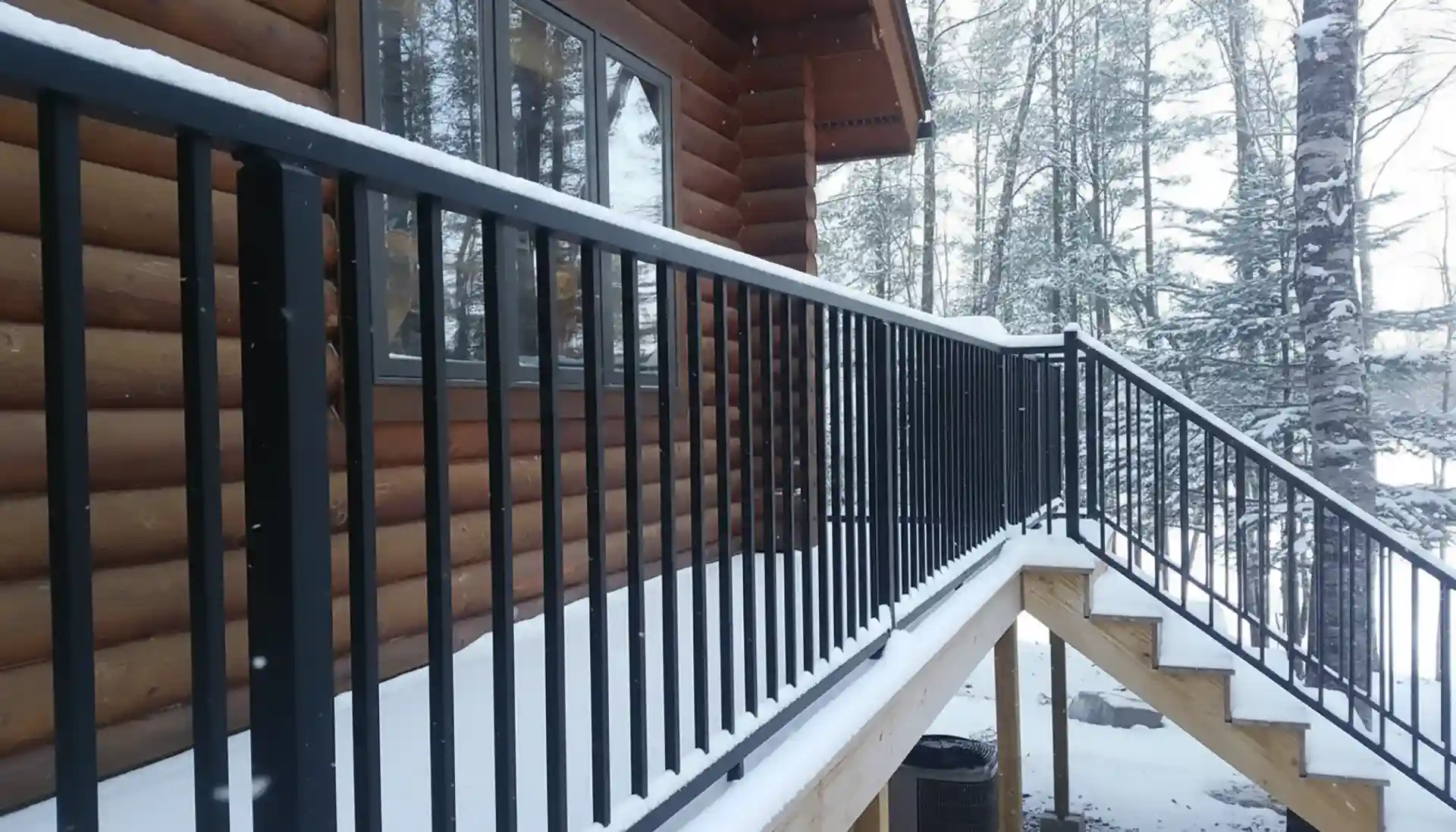
Winter storms drop heavy snow across Minnesota’s Cabin Country, and composite decks feel this weight for months. Snow piles trap moisture, and ice sheets cling to the board surface until warmer days arrive. These conditions cause wear that grows over the season.
Homeowners benefit from consistent winter maintenance because composite boards last longer when cleared early. Snow removal habits reduce slick spots and stop moisture from settling into shaded areas. These steps protect the surface and shorten cleanup when spring arrives.
Understanding Composite Decking and Winter Challenges
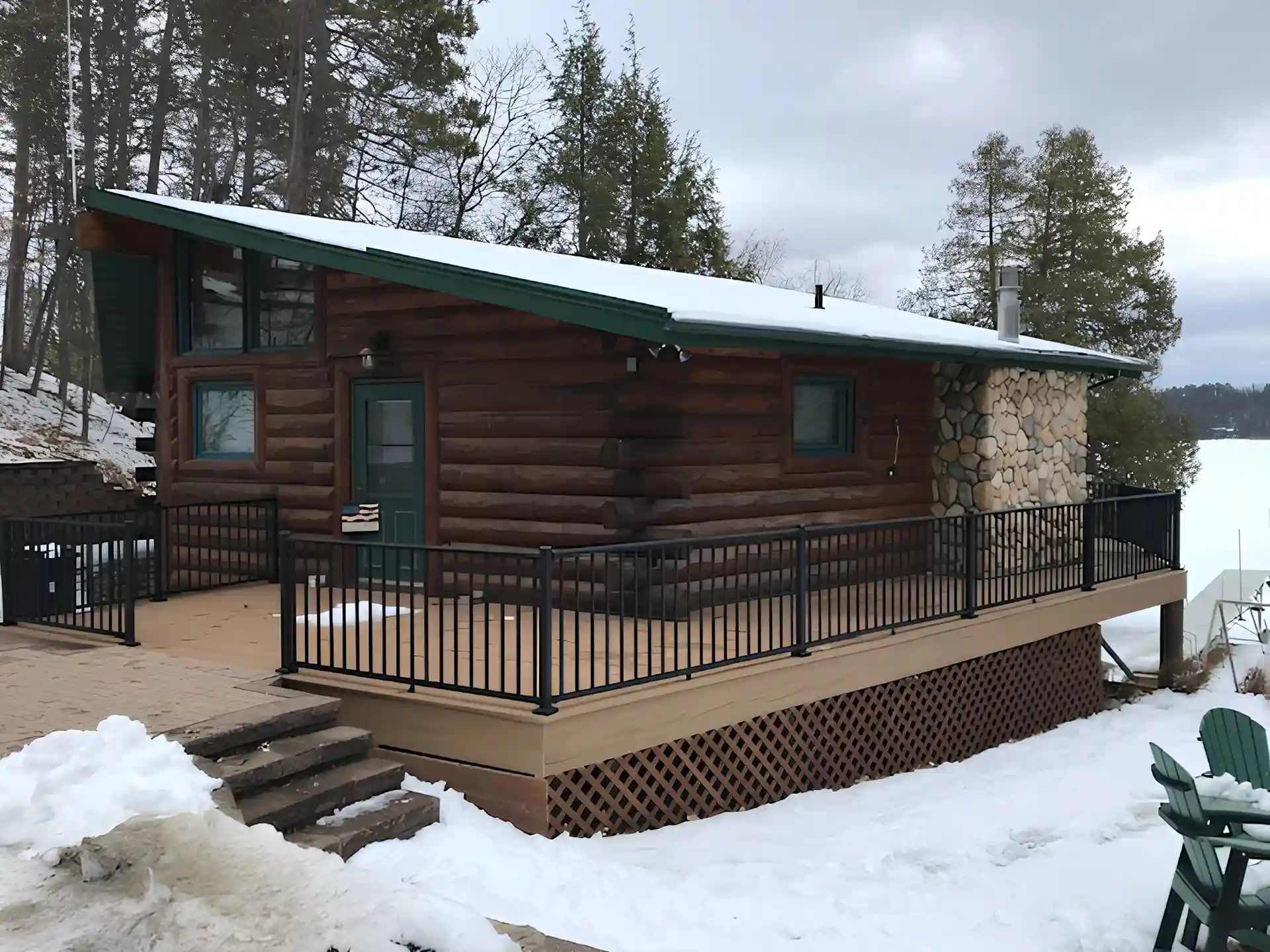
Composite decking provides a durable, long-lasting surface that withstands freeze cycles. These boards resist decay and keep their shape under stress because they combine wood fibers with plastic binders. Winter still presents challenges that require attention from any homeowner seeking steady performance.
What is Composite Decking
Composite decking is a manufactured board made from blended wood fibers and plastic resins that resist rot and moisture. This material offers greater stability than traditional wood, as it does not warp or splinter during seasonal changes. The surface retains its texture for years when maintained with basic winter care.
Winter Vulnerabilities of Composite Decking
- Scratching and Scuffing: Scratching and scuffing happen when metal tools scrape against the surface during clearing. These marks dull the board finish and remain visible through spring.
- Moisture Damage: Moisture damage develops when snow piles melt during sunny afternoons and refreeze at night. These freeze cycles trap water along seams and create pressure against the surface.
- Color Fading: Color fading occurs when winter sun reflects off ice crystals and exposed boards for extended periods. Surface wear and light scratches increase this effect during long seasons.
Best Tools for Snow and Ice Removal
Correct tools help homeowners protect composite decks during storms. These tools prevent scraping, reduce pressure points, and keep the board surface intact during steady clearing.
Plastic and Rubber Tools
Plastic shovels work well because they move snow without cutting into the surface. Rubber-edged pushers glide across boards and limit surface contact as homeowners clear wide areas. These tools help maintain smooth surfaces that do not collect moisture pockets.
Avoid Metal and Sharp Tools
Metal shovels dig into composite surfaces and leave permanent marks. Sharp tools chip at ice layers and create small gouges that weaken the finish. These tools increase wear throughout winter and raise future maintenance needs.
Step-by-Step Process for Safe Snow Removal
Step-by-step routines help homeowners handle storms with confidence. These routines reduce work during significant snowfalls and prevent ice layers from forming beneath packed snow.
Step 1: Start Early and Clear Light Snow Regularly
Light snow clearing keeps the deck surface exposed, preventing ice from forming beneath it. Early passes also prevent deep drifts from forming along rails and stairs. Small clearing sessions during storms protect the surface through long winters.
Step 2: Be Mindful of Deck Edges and Stairs
Deck edges collect drifting snow that presses against fascias and posts. Slow clearing around these areas keeps moisture from settling into seams. Careful stair passes reduce slipping and maintain safe walking paths.
Step 3: For Heavier Ice Buildup, Use Cautious Scraping
Cautious scraping breaks thin ice layers without harming the surface. A plastic scraper lifts the ice in controlled motions and loosens it from the deck. Homeowners keep movements shallow to avoid contact with fasteners and corners.
Ice Removal and Prevention
Ice sheets form quickly in Minnesota’s Cabin Country during thaw and refreeze cycles. Homeowners control this cycle through consistent maintenance and simple products that protect composite surfaces.
Safe De-Icing Methods
Safe de-icing products for composite decks include calcium chloride pellets that melt ice without harming the surface. These pellets create small channels through the ice, allowing homeowners to break it apart with light pressure. Sweeping afterward removes any residue, keeping the deck clean for the next storm.
Eco-Friendly De-Icers
Eco-friendly de-icers help cabin owners protect soil and lake water around their property. These formulas melt thin layers without harsh runoff that affects landscaping. These products also work well for families who prefer pet-friendly alternatives.
Preventative Measures
Preventative measures focus on clearing snow before it hardens into ice. Keep surface paths open and avoid leaving packed snow in shaded areas. These habits reduce refreezing and keep the deck safer during long storms.
Post-Snow Removal Maintenance
Post-storm habits prepare the deck for the next weather pattern. Simple steps help homeowners spot issues that could escalate into larger concerns if left untreated.
Cleaning the Deck After Snow Removal
Cleaning the deck after shoveling snow removes salt dust, dirt, and light residue. A gentle soap solution restores the board surface and prevents buildup from winter products. Rinsing reveals any scuffs or damage that may need spring attention.
Check for Hidden Moisture
Hidden moisture sits in corners where snow piles once rested. Homeowners should check seams and shaded areas that retain water longer than the main walking areas. Quick drying prevents freeze-related pressure that affects the surface.
Best Practices for Winterizing Composite Decking
Winterizing habits prepare the deck before the first snow arrives. These habits reduce stress during prolonged storms and keep the structure ready for early-spring melting.
Pre-Winter Preparation
Homeowners sweep away debris and check fasteners before the snow season starts. Clean gaps promote water drainage when meltwater flows across the deck. Early attention supports composite decking winter maintenance throughout the season.
Covering Outdoor Furniture
Covered furniture prevents pressure marks on frozen surfaces. Furniture pads distribute weight more evenly across the deck. These steps protect exposed boards during months of low movement.
Why Lake Life Deck Company is the Right Contractor in Minnesota’s Cabin Country
Lake Life Deck Company designs and builds composite decks that handle northern winters with strength and reliability. Our team understands how freeze cycles, lake winds, and drifting snow affect deck structures across the Brainerd Lakes Area. We plan layouts, board patterns, and support systems that help homeowners manage winter conditions with confidence.
Our crew builds with materials that resist moisture and surface movement during long, cold periods. We follow manufacturer guidelines and local standards to ensure each deck maintains a solid footing year-round. Homeowners trust our design experience because we focus on long-term performance in Minnesota’s Cabin Country.
Schedule a Design Consultation with Lake Life Deck Company
As you evaluate the maintenance requirements and the age of your deck, if you feel your deck has outlived its useful life, our team can help you design and build a composite deck that matches cabin properties and regional conditions. If you are ready to plan a new deck, you can schedule a design consultation with Lake Life Deck Company and learn how strong construction supports year-round performance.
Snow Removal from Composite Decking FAQs
Can I use a metal shovel to remove snow from my composite deck?
Metal shovels scratch the surface, leaving visible marks that persist through spring. Composite decking winter maintenance works best with plastic tools. These tools protect the finish during storms.
Is calcium chloride safe for composite decking?
Calcium chloride is one of the most common safe de-icing products for composite decks. It melts ice without harming the material. Homeowners sweep away leftover pellets after clearing.
What’s the best way to prevent ice buildup on my composite deck?
Early clearing stops thin layers from freezing into hard ice. This step helps remove ice from composite decking during heavy storms. Consistent habits reduce slipping and surface stress.
How often should I clean my composite deck during winter?
Light cleaning after storms removes dust and residue. This step supports winter care for composite decking and exposes areas that need attention. Regular washing keeps the surface ready for the next storm.
Should I cover my composite deck in winter?
Full covers trap moisture, so homeowners rely on open airflow instead. This approach supports safe snow removal from composite decking by preventing damp pockets. Furniture covers work well because they protect items without restricting deck ventilation.